Saturday, January 7, 2017

Friday, January 6, 2017
Embotellamiento de tránsito en China

El tránsito complicó los 50 carriles de la autopista. (Captura / YouTube)
Los conductores tuvieron que esperar más de tres horas para poder seguir su marcha.
China es el país con más población en el mundo, por eso sus autopistas llegan a tener hasta 50 carriles para que los vehículos puedan llegar de un lugar a otro. Sin embargo, por la magnitud de sus habitantes existe un tráfico denso. El más reciente ocurrió en Pekín y fue grabado desde un dron y publicado en YouTube.
En la capital China existen embotellamientos de hasta 100 kilómetros, incluso han llegado a durar más de una semana. Las cámaras de People´s Daily China grabaron uno reciente captado desde un dron.
Esta vía une Pekín con Hong Kong a través de sus más de 2200 kilómetros de longitud. El tráfico denso de debió al regreso de unos 750 millones de chinos a su hogar. Estas imágenes fueron compartidas en YouTube.
La alta concentración de tránsito fue captada por la cámara del dron, que llegó a ocupar hasta cincuenta carriles, teniendo su punto más crítico por la tarde. Según medios locales, algunos conductores tardaron tres horas en poder cruzar el peaje.
En el vídeo de YouTube se puede apreciar una capa de neblina grisácea que cubre la ciudad. Se trata de la fuerte contaminación del aire que existe en Pekín, situación que los ha colocado en alerta naranja y se ha extendido llegando a otras 20 ciudades chinas.
Thursday, January 5, 2017
Benefits Of Moringa
With 17 times as much calcium as milk, 12 times the vitamin C of an orange, 25 times as much iron as
spinach, moringa is truly impressive!
spinach, moringa is truly impressive!
Wednesday, January 4, 2017
Tuesday, January 3, 2017
This adorable baby was turned by a modeling agency because he has Down Syndrome
This adorable baby was turned by a modeling agency because he has
Down Syndrome. But, people from all around the world responded and
now he is a model for OshKosh B'gosh!
Down Syndrome. But, people from all around the world responded and
now he is a model for OshKosh B'gosh!
Monday, January 2, 2017
Stolen Dog Reunites With Owner
This dog erupts with joy when he realizes the stranger in front
of him is actually the owner he was stolen from two years ago
of him is actually the owner he was stolen from two years ago
What Your Oncologist Isn’t Telling You About Chemotherapy and Radiation
By Elyn Jacobs
Radiation and Second Cancers
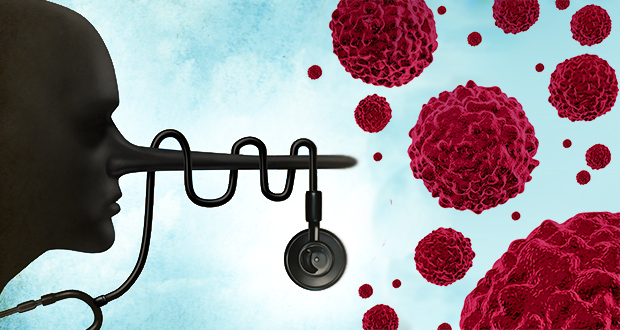
Cancer is big business, no doubt about it. But did you know that the treatment your doctor orders could actually increase the likelihood that you will become a repeat customer? Conventional cancer treatments such as chemotherapy and radiation actually promote cancer. Yes, you read that correctly… they promote cancer!
Cancer is increasingly becoming a survivable disease, yet the treatments cause considerable collateral damage – including initiating new, second cancers.
Second cancers are cancers unrelated to the original cancer, which can be triggered by the very same imbalances or cancer-causing agents that led to the first cancer. In fact, doctors sometimes refer to the risk of a second cancer as “friendly fire” – that is treatment for one cancer resulting in the initiation of a second cancer. How in God’s name could any doctor fail to mention to a patient the possibility that second cancers can be created by the very cancer treatment they are administering?
How Long Has it Been Known That Chemotherapy and Radiation Can Lead to Second Cancers?
The link between chemotherapy and radiation and the development of second cancers has been known for decades! Even the American Cancer Society acknowledges that radiotherapy and chemotherapy are carcinogens and may increase risk for developing a second cancer, and that the risk is even higher when both therapies are given together. Yet still this information is not typically shared with patients or is severely downplayed by oncologists.
Chemotherapy and Second Cancers
Chemotherapy targets the DNA of cancer cells, specifically rapidly dividing cells. However, in the process it also impacts healthy cells. Risk is dose and treatment-duration related.
The most common cancers linked to chemotherapy drugs are AML (acute myelogenous leukemia) and MDS (myelodysplastic syndrome). The news of ABC’s Good Morning America host Robin Robert’s diagnosis of MDS is a perfect example.
Radiation and Second Cancers
Beyond the obvious link from radiation exposure to cancer (Chernobyl, Fukushima, and atomic bomb blasts in Japan) and all the credible new information linking cell phones and EMFs to cancer, radiation therapy has been recognized as carcinogenic for many years. Like chemotherapy drugs, radiation therapy destroys cancer cells but also harms healthy cells.
Radiation therapy has been linked to the occurrence of solid tumors of the lung, stomach, and bone, and to various types of leukemia such as AML (acute myelogenous leukemia), CML (chronic myelogenous leukemia), and ALL (acute lymphoblastic leukemia).
The Links Between Chemotherapy and Radiation to Second Cancers are Known and Vast
- Chemotherapy drugs that are alkylating agents such as mechlorethamine, cyclophosphamide, chlorambucil, melahalan, and others interfere with a cell’s DNA that can sometimes cause AML and MDS.
- Non-alkylating chemotherapy agents (platinum-based drugs) such as cisplatin and carboplatin attack cancer cells in a similar way, increasing the risk for leukemia. Risk is dose related and the risk of developing leukemia increases even more if radiation is given along with cisplatin or carboplatin (or other platins).
- In the case of topoisomerase II inhibitors such as Etoposide, Teniposide, and Mitoantrone, the drugs stop cells from being able to repair DNA, sometimes causing leukemia, often within as little as 2-3 years. Anthracyclines, while still topoisomerase II inhibitors, are less likely to cause leukemia.
- Targeted therapy drugs such as Zelboraf and Tafinlar, which are used to treat melanoma, increase the risk of squamous cell carcinomas of the skin.
- Patients given immunosuppressive medication (they suppress the immune system), such as cyclophosphamide, chlorambucil and nitrogen mustard (for treatment or during organ transplants) are proven to develop second cancers.
- Radiation treatment for breast cancer significantly increases risk for developing lung cancer.
- Radiation treatment to the prostate can result in carcinomas.
- Chemo used to treat lymphomas and breast cancer can initiate bladder cancer.
- Chemo has been linked to the initiation of testicular cancer.
- Prior cancer treatments are a key risk factor for subsequent neoplasms for childhood cancer survivors.
- Stem cell transplants increase risk of second cancers from the chemotherapy and radiation used as well as the associated suppression of the immune system.
While secondary malignancies may be due to many factors, chemotherapy and radiation are both carcinogens; exposure to these therapies can result in an increased risk of second cancers.
Sadly, many oncologists do not inform their patients that the treatments they prescribe could possibly lead to a second cancer. Now you know and The Truth About Cancer is here to educate and empower you with this knowledge and information.
This information is being suppressed from you by the mainstream media and the medical establishment. Be notified each week when cutting-edge articles are added by clicking here. You’ll be glad you did.
Sunday, January 1, 2017
Juguetes hechos con basura
Estos dos niños haitianos no tienen dinero para comprar juguetes, así que los
construyen ellos mismos con basura
construyen ellos mismos con basura
Companies in Vietnam inject substances to shrimps in order to increase sales
Vietnam is one of the top 5 exporters of shrimps, which are the most consumed sea animal in the world.
Even though animal flesh is known to be unhealthy, it seems that these days it's more dangerous than ever...
Even though animal flesh is known to be unhealthy, it seems that these days it's more dangerous than ever...
Subscribe to:
Comments (Atom)